

Restorative Justice
The Moran Center works to build a more restorative community – weaving together a tightly knit system of programs, services, and policies based upon the values of restoration and justice.
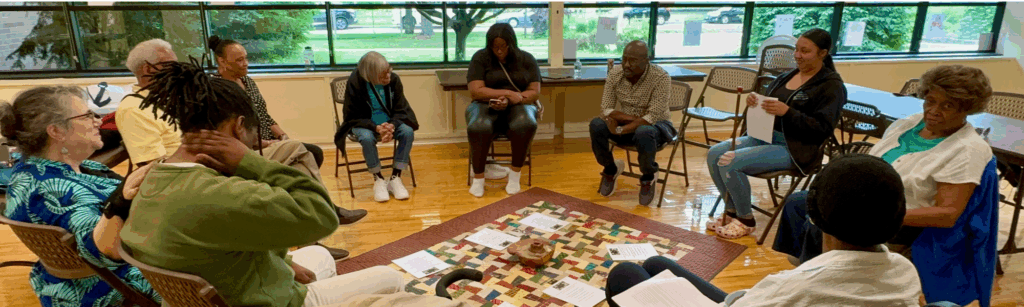
The Roger Pascal Restorative Justice Initiative engages the community in restorative practices to build relationships, establish accountability, and repair and prevent harms.
Roger Pascal Restorative Justice Initiative
What is Restorative Justice?
- a philosophy, based on a set of principles which guide the response to conflict and harm.
- reflects the reality that acts of wrongdoing do not just violate laws and rules; they harm people, communities, and relationships.
- provides a mechanism to identify and repair harm.
- builds relationships and empowers the community to take responsibility for the well-being of its members.
How does Restorative Justice work?
Restorative Justice uses facilitated, restorative conversations including:
- peace circles
- victim-offender conferences
- family conferences,
- incident-response circles
- community circles
How does Restorative Justice respond to harm?
When harm occurs, restorative justice asks different questions than traditional justice.
Traditional Justice asks:
- What rule was broken?
- Who broke the rules?
- What do they deserve?
Restorative Justice asks:
- What is the harm caused?
- Who was harmed?
- What are the needs (of the people involved)?
- Who has the obligation to repair the harm?
Who was Roger Pascal?
In 2019, the Moran Center named our restorative justice initiative after Roger Pascal, a lawyer and partner with the law firm Schiff Hardin for fifty years and a board member of the Moran Center for 30 years. A brilliant litigator and consummate volunteer attorney, Roger was a friend and a tireless supporter of justice and civil liberties no matter how difficult the struggle. He inspired generations of lawyers to make the world a better place through his career of service.
What can Restorative Justice give to our community?
Restorative Justice has been shown to reduce suspension days, decrease arrests, and reduce violence within communities, including our own.
One recent study found that individuals on probation who attended a Restorative Justice Intervention were half as likely to re-offend as those who received traditional treatment. The study concluded that even brief restorative interventions have a “positive multilevel impact.”
All members of a restorative community are involved in the process of repairing harms. Those impacted by wrongdoing are given the opportunity to collectively identify its impact and determine the steps to make it right.
By focusing on repairing harm and addressing root causes, relationships are strengthened, youth have a more meaningful opportunity to learn and grow from their mistakes, and future harm is less likely.
Restorative Justice team
- Pam Cytrynbaum (she/her), Restorative Justice Manager
- Emeric Mazibuko (he/him), Restorative Justice Coordinator
CONTACT US
Connect with the Restorative Justice team: